The 15-Minute Pantry Pasta Checklist for Weeknight Dinners
There is a particular kind of hunger that arrives at 6:40 on a weeknight: too tired to shop, too impatient to wait, standing in front of a pantry that looks like nothing. This is the moment pasta was built for.
The trick is not a recipe. It is a checklist — five things a fast pasta needs, plus a sequence for putting them together in roughly the time it takes water to boil and a box of spaghetti to cook. Learn the order once and you can improvise with whatever is actually on the shelf, whether that is a half-empty jar of olives or the last knob of parmesan.
The Five-Part Pantry Pasta Checklist
A good weeknight pasta is not a list of ingredients so much as a balance: salt, aroma, acid, fat, texture. Most bland pasta dinners are missing two of those. Gather what you have from each line below and you are already most of the way to dinner.
- Something salty. Anchovies, olives, capers, pancetta, bacon, a spoonful of miso, feta, pecorino, parmesan, or the rind of a hard cheese. This is where the flavor actually comes from, and why under-seasoned pasta tastes like nothing even when the sauce looks right.
- Something aromatic. Garlic, onion, shallot, sliced leek, dried chile flakes, cracked black pepper, fennel seed, oregano or rosemary. These need anywhere from thirty seconds to eight minutes in fat before anything else joins them, depending on how much water they contain.
- Something bright. Lemon zest and juice, red or white wine vinegar, a splash of dry white wine, canned tomatoes, roasted red peppers, pickled hot peppers. Acid is what keeps a rich bowl from tasting heavy.
- Something rich. Olive oil, butter, cream, an egg yolk, a spoonful of ricotta, plus the starchy pasta water that ties everything together.
- Something with texture. Frozen peas, spinach, chopped kale, canned chickpeas, toasted breadcrumbs, crushed walnuts or pistachios, chopped parsley.
You do not need all five. Three will make dinner, four will make a good one, and five is what happens when the fridge cooperates.
Put the Pot On Before You Decide Anything
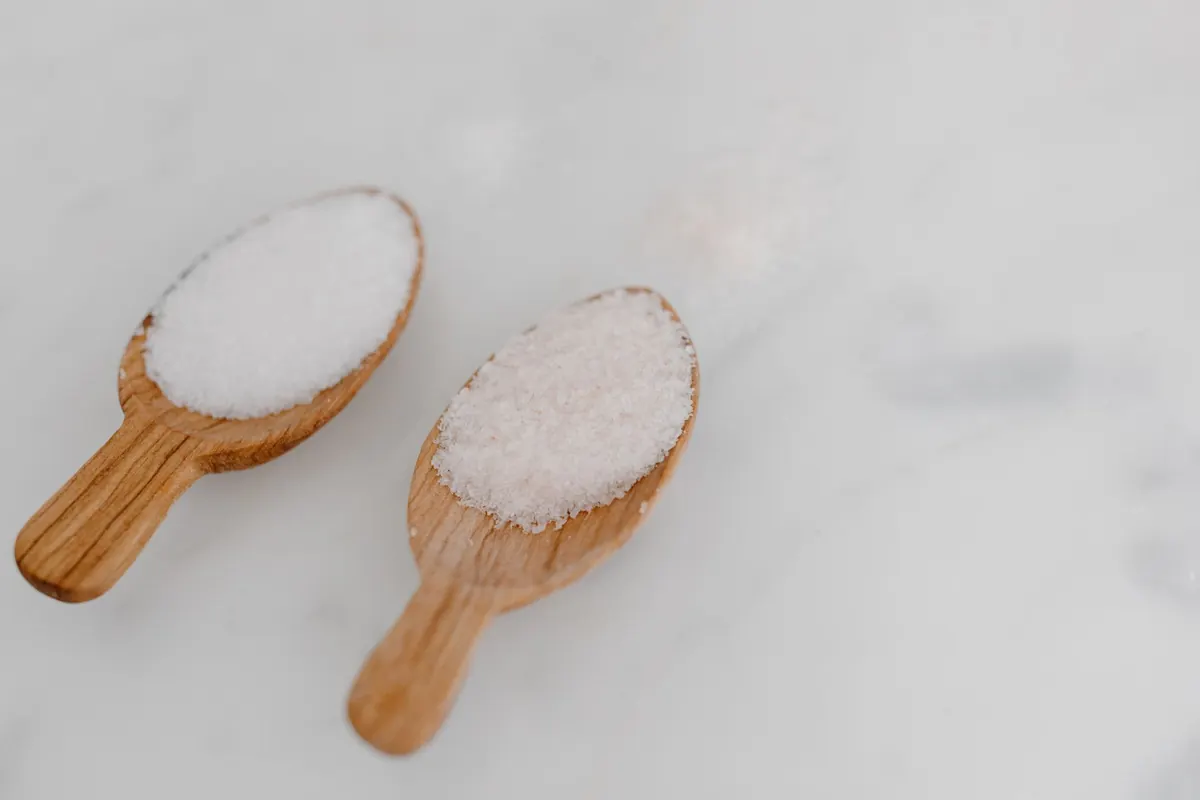
Fill your largest pot with water, add a generous handful of salt, and set it over high heat with the lid on. One to two tablespoons for a big pot is a reasonable starting point; the water should taste seasoned, not like broth. Do this before you open a single cabinet.
By the time the water boils, you will have decided what you are making. Add the pasta, stir once so nothing sticks, and set a timer for two minutes less than the package suggests. Ridged or tubular shapes — rigatoni, penne, fusilli, orecchiette — hold a sauce better than long strands when you are improvising, but spaghetti is fine if that is what is in the box.
Before you drain anything, dip out a mug of the cooking water. That cloudy, salty liquid is the difference between a sauce that clings and one that slides off the pasta and pools in the bottom of the bowl. Keep it even when you are sure you will not need it.
Build the Base While the Water Heats
Warm three or four tablespoons of olive oil in a wide skillet over medium-low heat. Add sliced garlic and give it about forty-five seconds — enough to smell sweet, not enough to brown. Add anchovies and press them into the oil with a wooden spoon until they dissolve, then chile flakes for the last ten seconds. Pour in a splash of wine or a ladle of pasta water and let it bubble while the pasta finishes.
If you are starting with cured meat instead, begin it in a dry pan so it renders its own fat, four or five minutes, then pour off all but a tablespoon before adding the aromatics. If you are starting with onion or shallot, give it six to eight minutes to go soft and translucent — start it before the water boils, since it is the slowest thing on the list.
Watch the garlic, not the clock
Garlic moves from sweet to bitter in about fifteen seconds. If it starts to color before the rest of the ingredients are ready, pull the pan off the heat and let the residual warmth do the rest of the work.
Finish It in the Pan, Not the Colander
Drain the pasta, but not completely dry. Tip it into the skillet over medium heat with a splash of the reserved water and toss for thirty to sixty seconds, until the sauce looks slightly looser than you want it to be. It thickens as it sits.
Two exceptions to remember. Egg and cheese sauces come together off the heat; a screaming hot pan will scramble an egg yolk or turn grated parmesan into rubbery strings. And delicate herbs, lemon juice, and most of your cheese go in at the very end, after the pan is off the burner.
If it tastes flat, it needs salt or acid. If it tastes thin, it needs fat or another splash of pasta water. If it tastes dull, it needs heat — chile, black pepper, or more of it than you think.
Three Combinations That Always Work
Garlic, anchovy, chile, breadcrumbs
Warm olive oil with garlic, three or four anchovy fillets, and chile flakes. Toss with pasta and a little water, then top with breadcrumbs you have toasted in a separate pan until they are the color of dark honey. Salty, crunchy, and ready in the time it takes the pasta to cook.
Butter-simmered tomato with onion
Empty a can of crushed tomatoes into a saucepan with four tablespoons of butter and one peeled onion halved. Simmer it while the pasta cooks, then discard the onion and toss the sauce with the drained pasta and a handful of grated parmesan. Fewer than five ingredients, and it tastes like you spent an hour on it.
Lemon, tuna, capers, parsley
Gently warm garlic in olive oil, add a drained can of tuna, a spoonful of capers, and a strip of lemon zest. Fold in the pasta, then finish with lemon juice and a lot of chopped parsley. Do not stir the tuna so hard that it disappears into shreds.
A fourth for the back pocket: peanut butter, soy sauce, chile flakes, and a sliced scallion, loosened with pasta water until it coats the noodles. Odd-sounding, entirely reliable, and it uses nothing that spoils.
What to Keep on Hand
The checklist only works if the shelf supports it. These are the items that earn their space:
- Two shapes of dried pasta, one long and one short
- Canned tomatoes and canned chickpeas
- Anchovies, capers, olives, tuna
- Dried chile flakes, black pepper, oregano
- Garlic and onions, stored somewhere cool and dark
- Olive oil, butter, red wine vinegar
- Parmesan or pecorino, plus a lemon or two
- Frozen peas or spinach
- Breadcrumbs or a stale heel of bread
Rotate as you shop rather than stocking all of it at once. A jar of anchovies that has been open for a year is not the same ingredient as a fresh one, and the point of the list is to make cooking easier, not to build a monument to it.
The Habit That Makes It Work
Taste before you serve. Not a polite sip — a real bite, with pasta and sauce together, because that is how it will actually be eaten. Then adjust once, maybe twice. Salt, acid, fat, heat, in whatever order the bowl is asking for.
Everything else is flexible. The pasta can go a minute longer. The cheese can be the end of the wedge. The vegetables can be whatever is wilting in the drawer. What matters is that the water goes on first, the base gets built while it heats, and the whole thing finishes in the pan. Do that a few times and you will stop reading the checklist, because it will be in your hands.
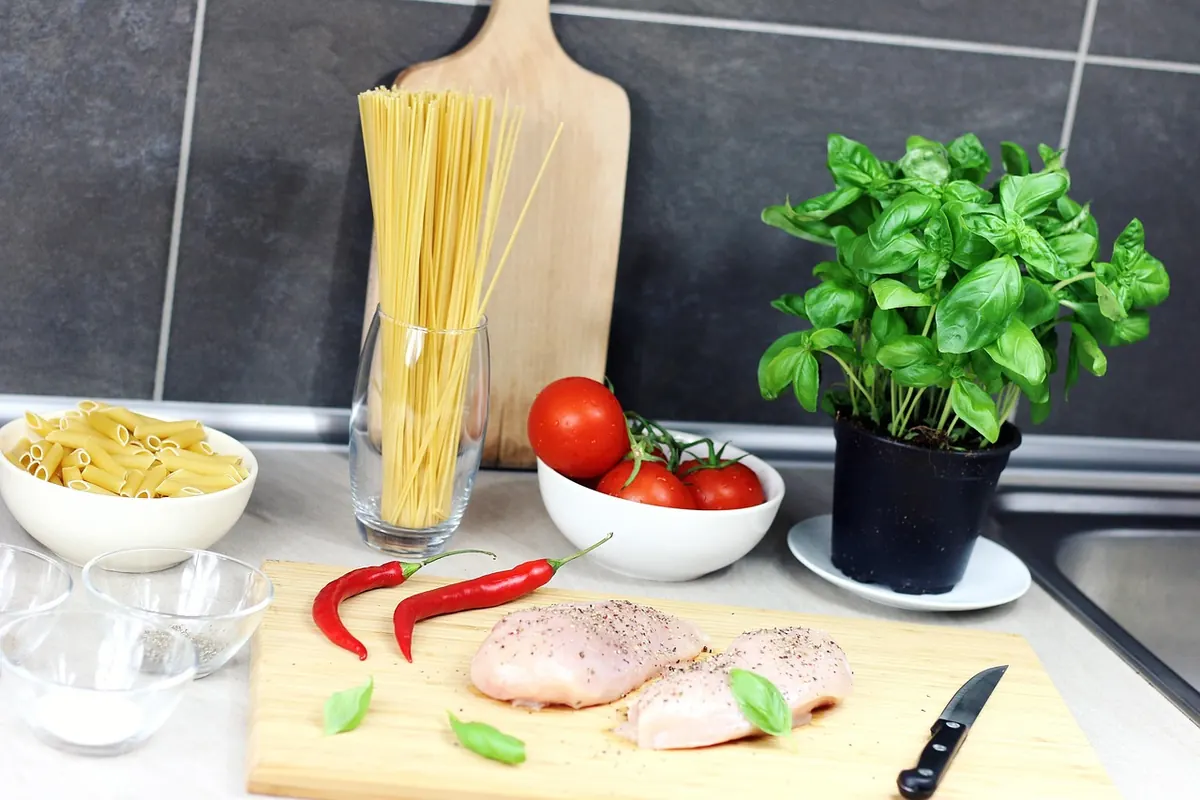
Photo: StockSnap / Pixabay