Hot Chocolate vs. Drinking Chocolate: What's the Difference?
Two mugs, both brown, both warm, both made from chocolate — and yet they behave like completely different drinks. One is thin enough to drink fast and tastes like the cocoa you grew up with. The other coats the inside of the mug, sits heavy on the spoon, and tastes like a melted truffle. If you've ever followed a recipe expecting one and gotten the other, you already know the confusion. The difference comes down to what the chocolate is before the milk ever shows up. Once you know that, both drinks get easier to make well.
Hot Chocolate Starts With Cocoa Powder
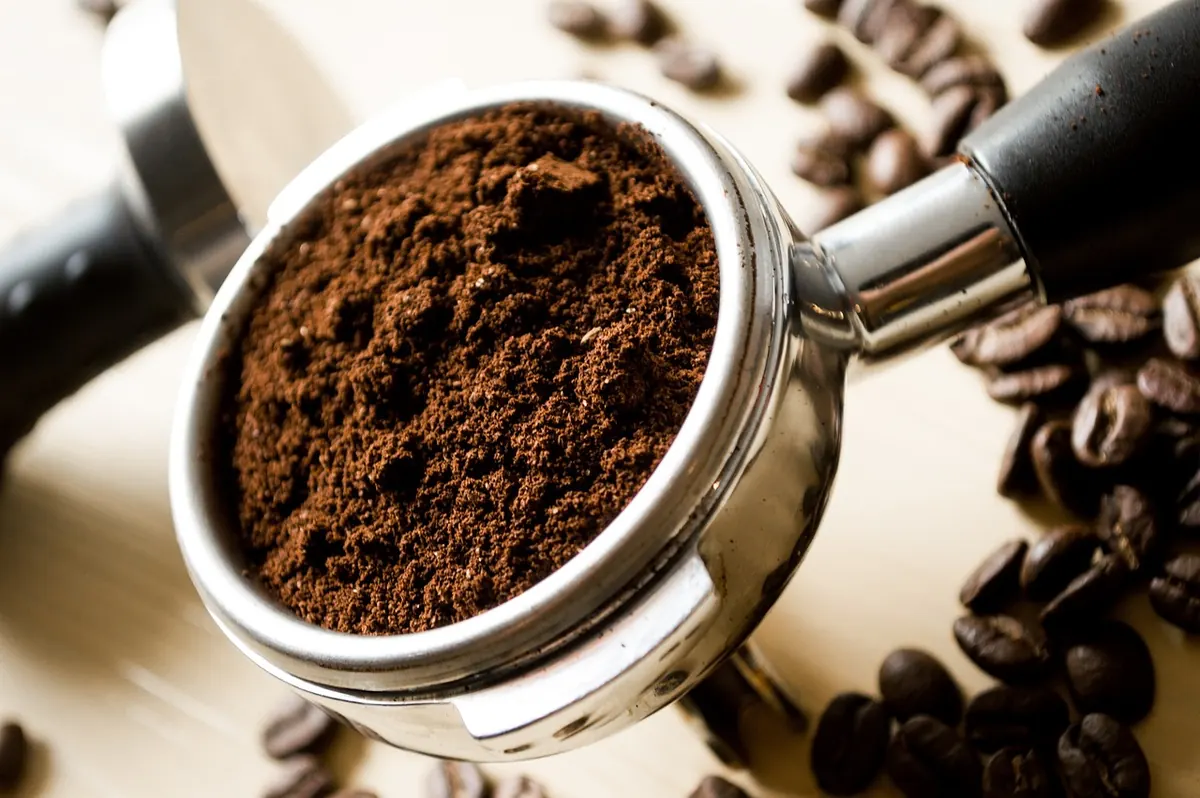
Hot chocolate, in the everyday sense, is cocoa powder, sugar and milk. The powder has had most of its cocoa butter pressed out, so it blends into the milk and thickens it only slightly. That's why a mug of hot chocolate can be drunk quickly, and why the flavor leans toasty and bright rather than rich. Most supermarket cocoa packets are built on this model, with sugar and powdered milk doing a lot of the work.
The appeal is speed and nostalgia: heat the milk, whisk, done in two minutes. The trade-off is a narrow margin. Use too little cocoa and the drink turns sweet and thin; use too much and it turns chalky.
Fixing the chalky mug
Whisk the cocoa with a spoonful of cold milk into a smooth paste before any hot liquid goes near it. Add the hot milk gradually, whisking as you go. A brief simmer — a minute, no more — rounds off the raw, powdery edge.
Drinking Chocolate Starts With Actual Chocolate
Drinking chocolate — sometimes called sipping chocolate, or simply "chocolate" in parts of Europe — begins with chopped or grated chocolate rather than powder. Because that chocolate still contains its cocoa butter, it melts into the milk and gives the drink body. The result is thicker, glossier and usually less sweet, closer to the flavor of the bar itself.
In Spain, drinking chocolate is thick enough to coat a churro. In Italy, cioccolata calda is often thickened further with cornstarch until it's nearly a pudding you eat with a spoon. Both are worth making once just to feel how wide the texture range can stretch.
The Ingredient Difference, Side by Side
- Base: cocoa powder for hot chocolate; chopped chocolate or chocolate chips for drinking chocolate
- Fat: little or none added, versus the cocoa butter already inside the bar
- Sweetener: sugar or a sweetened mix, versus whatever sweetness the chocolate carries on its own
- Milk: any kind works for hot chocolate; whole milk or barista-style oat milk gives drinking chocolate the creamiest body
- Thickness: light and fluid, versus coating and sometimes spoonable
- Effort: one pan and a whisk, versus chopping, gentle melting and more stirring
One warning about chips: they're made to hold their shape in a cookie, so they contain less cocoa butter and melt reluctantly. A chopped bar gives a smoother cup. In a pinch, chips plus a teaspoon of butter or cream will get you close.
Texture and Sweetness: Where They Really Diverge
A cocoa-based drink feels watery unless you add cream, milk powder or a little cornstarch. Drinking chocolate carries its flavor on fat, which is why it lingers on the tongue instead of disappearing.
Sweetness is the bigger surprise. Cocoa mixes are often very sweet, because sugar is doing the work that fat would otherwise do — covering the powder's bitterness. Drinking chocolate made with a 60 to 70 percent dark bar can be barely sweet at all. If you want sweetness, add it yourself, a teaspoon at a time, so you can stop where you like. Milk chocolate and white chocolate versions arrive sweet already and need nothing.
Which One for Which Job
- Kids at the table, marshmallows, a cold Saturday: hot chocolate. It's forgiving, quick and familiar.
- Small cups after a big dinner: drinking chocolate, dark and slightly bitter, with a pinch of salt.
- Dipping churros, biscotti or panettone: drinking chocolate, which clings. Hot chocolate runs right off.
- A thermos or a crowd: hot chocolate, which reheats without seizing.
- Flavor experiments: both take cinnamon, orange zest, chile or espresso, but drinking chocolate holds delicate aromas better because the fat carries them.
How to Make Drinking Chocolate at Home
- Chop about 2 ounces (55 g) of dark chocolate per mug. Grate it if you have the patience — it melts faster and more evenly.
- Warm 1 cup of whole milk over medium-low heat until it steams. Don't let it boil; boiling can make chocolate seize and turn grainy.
- Pull the pan off the heat, add the chocolate, and let it sit for 30 seconds before you whisk.
- Whisk steadily until smooth, then return it to low heat for a minute if you want it hotter.
- Taste. Add a pinch of salt, a teaspoon of sugar, or a drop of vanilla. Salt makes chocolate taste more like itself.
- For a thicker, Italian-style cup, whisk a teaspoon of cornstarch into a little cold milk first, stir that in at the start, and simmer for two minutes.
For classic hot chocolate: whisk 2 tablespoons cocoa, 2 tablespoons sugar and a pinch of salt with 2 tablespoons cold milk into a paste, then whisk in 1 cup of hot milk and simmer for a minute.
Small Things That Improve Either Cup
- Warm the mug with hot water first, then dump it out. The drink stays hot twice as long.
- Whole milk, or a spoonful of cream, does more for body than any technique.
- Steep flavor in the milk before the chocolate goes in — a cinnamon stick, a strip of orange peel, a dried chile, a few cardamom pods. Strain before serving.
- Whisk rather than stir. A spoon leaves streaks of chocolate at the bottom of the pan.
- Leftover drinking chocolate keeps in the fridge for a few days. Reheat gently; it will set firm when cold and loosen as it warms.
Both drinks are treats rather than everyday hydration, and drinking chocolate carries more fat from cocoa butter while cocoa mixes often carry more sugar. That's general cooking context, not dietary advice — if you're managing sugar, fat or caffeine, talk to a doctor or dietitian.
The Short Version
If you want a quick, sweet, marshmallow-friendly mug, make hot chocolate. If you want dessert in a cup — thick, dark, sipped slowly in small glasses — make drinking chocolate. Try them back to back one weekend with the same milk and the same whisk. You'll taste the difference in the first sip, and you'll know exactly which one you're in the mood for before you even open the cupboard.
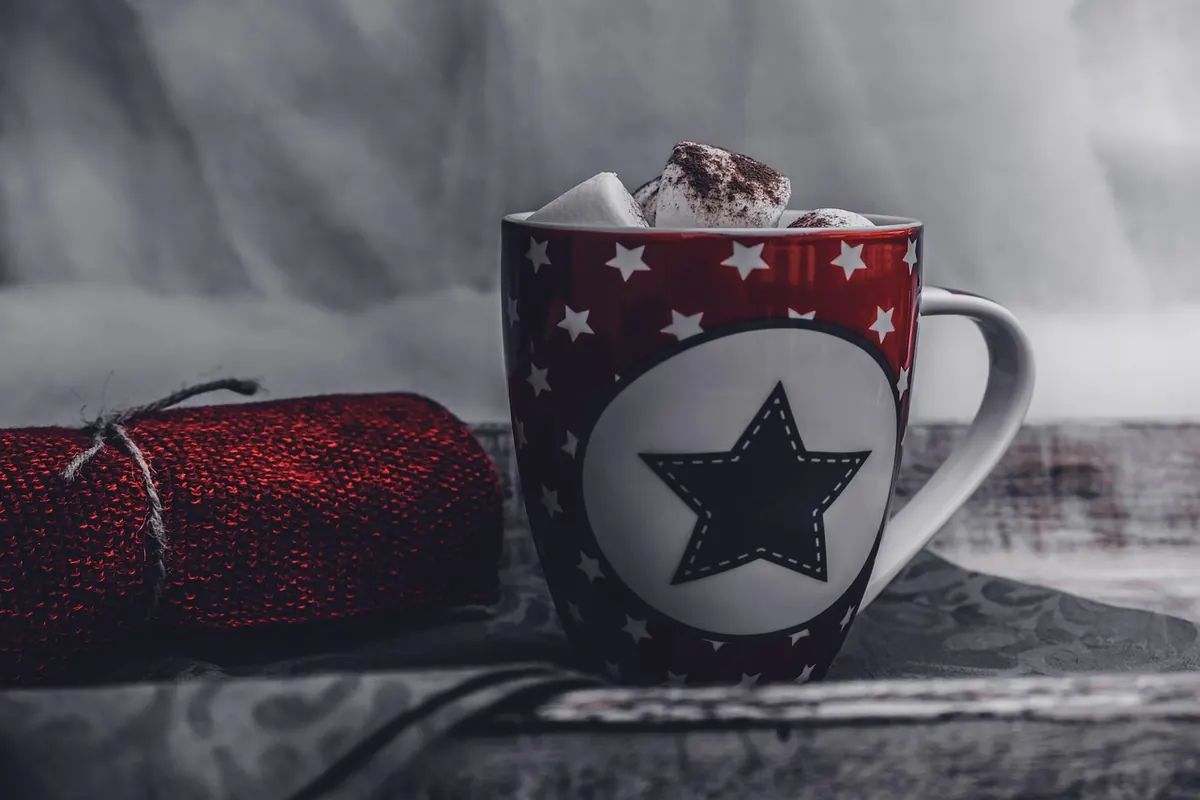
Photo: Couleur / Pixabay